The Gilded Age
Fifty years of Reaganomics—laissez-faire vulture capitalism and neoliberalism—has resulted in the massive wealth gap we see today between the rich and poor in the USA and in other countries. Trillions in tax revenue have been lost due to deregulation and the dismantling of checks and balances in the system. This shift has handed disproportionate power and influence to the wealthy and corporations, allowing them to buy their way into government positions little by little. As they’ve entrenched themselves, they’ve hoarded unbelievable wealth, exploited resources, and taken advantage of labor. Now, the consequences of these policies are becoming clear to more and more people.
By Elin Brimheim Heinesen
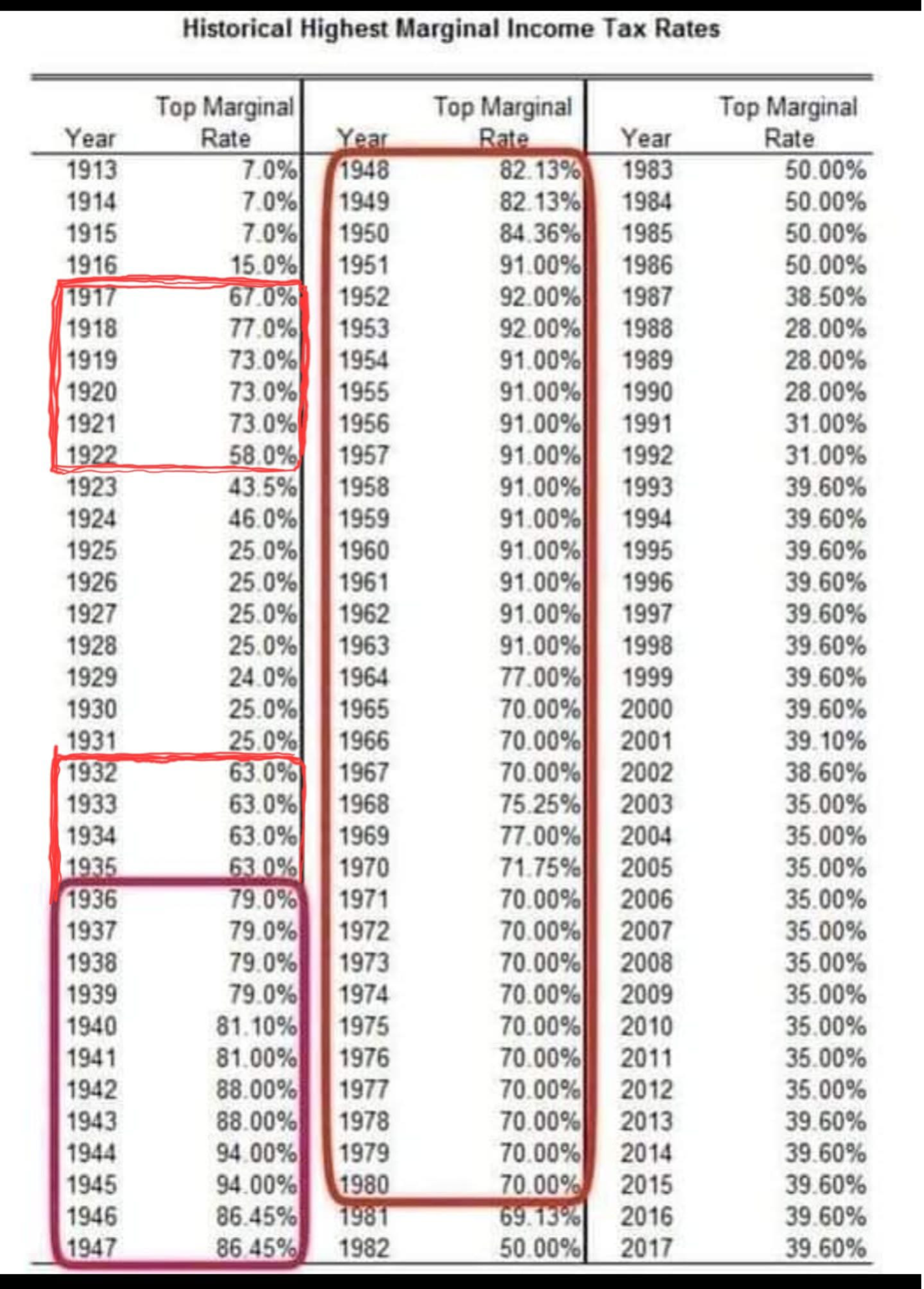
What once kept greed in check were progressive measures such as high taxes on the wealthy and corporations, strong unions, active political participation, and robust regulations. These policies built and sustained the middle class. The proof is in history—when these practices were in place, prosperity was shared more equitably. (See figure 1 at the bottom of this site). Since the Reagan era, however, the burden has shifted onto the middle class.
The concept of the “Second Gilded Age”
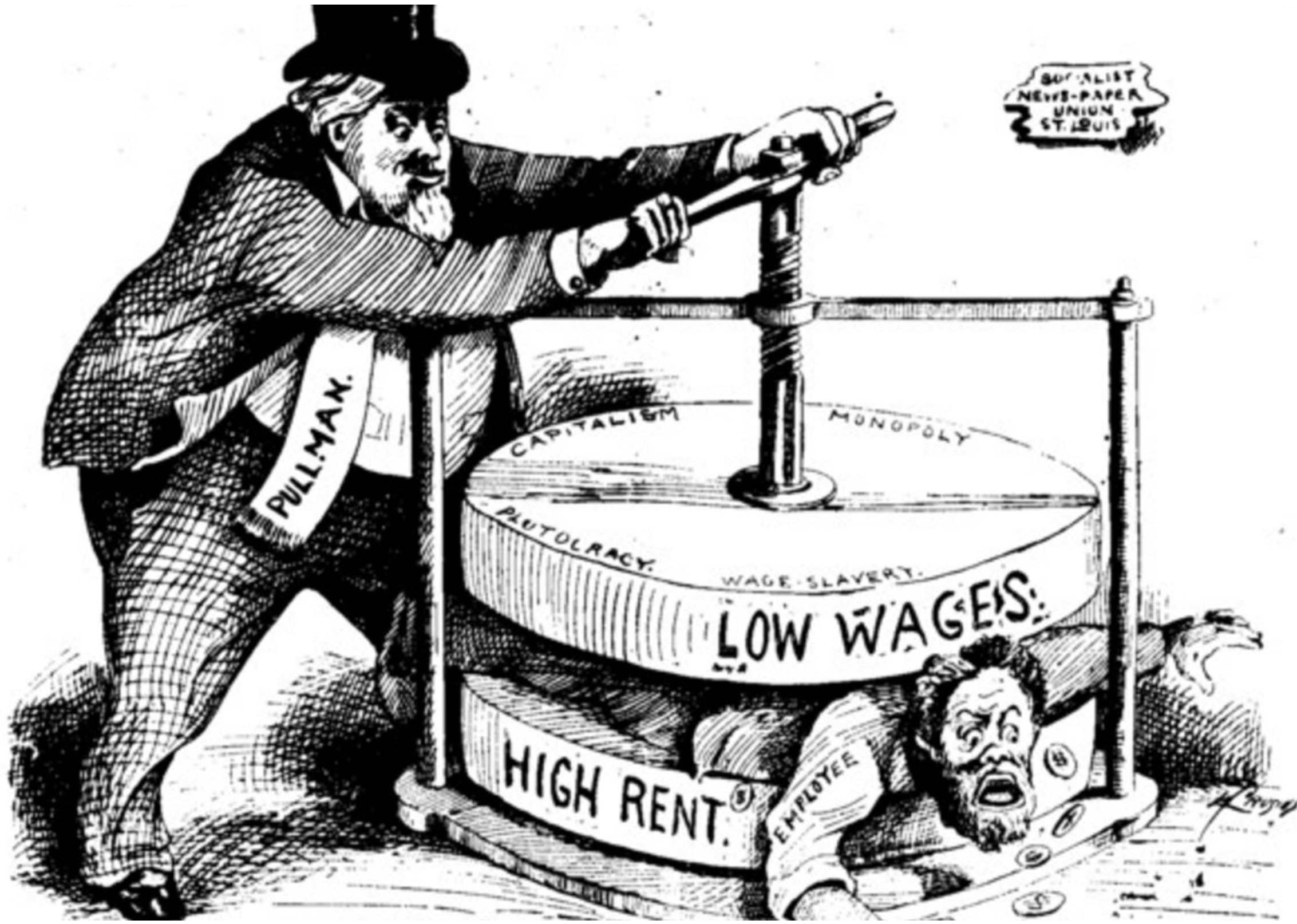
Our time draws striking parallels to the original Gilded Age of the late 19th and early 20th centuries, when extreme income inequality, unchecked corporate power, and rampant exploitation of labor defined an era of rapid industrialization and economic growth that disproportionately benefited a small elite at the expense of the working class.
What we’re witnessing today is eerily similar but amplified, thanks to decades of policy decisions favoring the wealthy and corporations, underpinned by ideologies such as “trickle-down economics.”
After 50 years of Reaganomics—the economic policies championed by President Ronald Reagan, built on tax cuts for corporations and the wealthy, deregulation, and privatization—the results speak for themselves.
Wealth inequality has reached historic levels, with the top 1% now controlling nearly as much wealth as the entire middle class combined. The promise behind trickle-down economics, that wealth would “trickle down” and benefit everyone, has proven to be a myth. Instead, what we’ve seen is wealth flowing upward, collected and retained by the wealthiest individuals and corporations, exacerbating inequality and squeezing the middle and working classes, who are left with fewer resources and less economic security.
The Mechanisms of Inequality
The systemic dismantling of progressive policies that once redistributed wealth more equitably has led us here. In the mid-20th century, high tax rates on the wealthy, strong unions, and robust government oversight kept corporate greed in check and ensured that a significant portion of economic gains flowed to workers. These measures fostered the growth of a prosperous middle class and funded public goods such as schools, infrastructure, and healthcare, benefiting society as a whole.
However, since the 1980s, aggressive deregulation, cuts to corporate taxes, and attacks on unions have shifted the balance of power. Deregulating industries has enabled corporations to operate without accountability, leading to serious phenomena like environmental destruction, exploitative working conditions, and monopolistic business practices that harm consumers and workers alike. Lowering corporate taxes—and the erosion of laws that ensure those taxes are actually paid—has starved governments of revenue, leading to underfunded public services that once supported upward mobility.
Simultaneously, the dismantling of unions has weakened the bargaining power of workers, suppressing wages even as corporate profits have soared. Wages for the average worker, adjusted for inflation, have stagnated for decades, while productivity—and corporate profits—have skyrocketed. This disconnect between labor and compensation is a hallmark of the Second Gilded Age, where workers are producing more value but not receiving their fair share of the rewards.
The Wealth Hoarding of the Elite
While millions struggle to make ends meet, billionaires and multinational corporations hoard unprecedented wealth. Instead of reinvesting their capital in ways that stimulate economic growth for the broader population, the wealthy often park their fortunes in untouchable assets, tax havens, or luxury expenditures that create very little benefit for society at large.
Think of Jeff Bezos requesting the dismantling of a historic bridge to sail his superyacht or Elon Musk, who, out of personal vanity, is channeling billions into dubious space projects. These examples not only illustrate the disconnect between the ultra-wealthy and the general population but also highlight how their spending habits fail to contribute meaningfully to the overall economy.
Billionaires’ wealth doesn’t “trickle down.” When their money moves, it tends to stay within elite circles—invested in hedge funds, shares of multinational corporations, automation or luxury ventures, rather than being directed toward investments that could create jobs, improve infrastructure, or support public institutions. In contrast, the middle class is the true driver of the economy. When middle-class families experience financial stability, they buy homes, purchase goods, support local businesses, and invest in their children’s futures. Their contribution, first and foremost, keeps the wheels of the economy turning for everyone.
The Consequences of a Hollowed-Out Middle Class
The decline of the middle class isn’t just an economic issue—it’s a societal one. Historical evidence shows that societies with vast income inequality suffer from higher rates of crime, political instability, and declining health outcomes. With wealth concentrated in the hands of a few, governments often lack the funding or the will to provide basic services equitably.
The U.S., for example, lags behind other developed countries in healthcare, education, and infrastructure, despite being home to some of the wealthiest individuals and corporations in the world. These issues disproportionately affect low- and middle-income families, further entrenching cycles of poverty.
Moreover, extreme inequality threatens the very foundation of democracy. When the wealthy can buy political influence through campaign donations, lobbying, and outright bribery, they effectively write the rules of the game in their favor. This is why deregulation continues, corporate tax rates remain low, and loopholes in the tax system persist—it’s not a bug in the system, it’s a feature.
Solutions for Economic Justice
If we are to end this Second Gilded Age, we need bold, systemic changes to reverse the policies that have allowed wealth and power to become so concentrated. History shows us the tools that work, but it will take political will to implement them. Among the most urgent policy measures are:
- Progressive Taxation: Increasing taxes on the wealthiest individuals and corporations would help redistribute wealth and fund essential public services like healthcare, education, and infrastructure. The historical precedent is clear—throughout the mid-20th century, when tax rates on the wealthy were much higher, economic prosperity was widely shared, and the middle class thrived. (See figure 1 down below).
- Strengthening Unions: Ensuring workers have the legal right to organize and bargain collectively is critical to restoring wage growth and reducing income inequality. Studies consistently show that unionized workers earn higher wages and enjoy better working conditions than their non-unionized counterparts.
- Regulations and Accountability: Reinstating robust regulations to hold corporations accountable for their actions is necessary to curb environmental damage, prevent monopolistic practices, and ensure fair treatment of workers. Strong oversight also ensures that corporations pay their fair share of taxes rather than exploiting loopholes.
- Investing in Public Goods: Accessible healthcare, affordable education, and well-maintained infrastructure are essential for creating opportunities and breaking the cycles of poverty. Instead of giving tax breaks to billionaires, governments must reinvest in the foundations that allow societies to thrive.
- Cracking Down on Corruption: Campaign finance reform and restrictions on lobbying are essential to reduce the influence of money in politics and ensure that policymakers are working for the people—not the oligarchy.
A Call to Action
The Second Gilded Age may have been decades in the making, but it’s not inevitable, nor is it irreversible. The history of the first Gilded Age shows us that inequality can be challenged and progress can be made. The progressive reforms of the early 20th century, including antitrust laws, labor protections, and the New Deal, were hard-fought victories that shifted the balance of power back toward ordinary people.
However, without sustained political engagement and organized resistance to economic injustice, those in power will continue to consolidate their wealth and influence. It’s time to speak up, organize, and demand policies that prioritize fairness, equity, and opportunity for all—not just the privileged few. The stakes have never been higher. By recognizing the parallels to the past, and learn from them, we can begin building a better future and put an end to this Second Gilded Age.
Conclusion: Trickle-down economics doesn’t work
The current state of wealth inequality which is still growing is undeniable proof of this failure. It’s time to rein in the growing power and wealth of the oligarchs and return to the principles that the Constitution was built upon—where all people are supposed to be treated equally.
At the heart of America’s wealth inequality is this misguided belief in trickle-down economics. The idea that tax cuts for the wealthy few will somehow benefit those at the bottom has been a lie, perpetuated for decades. And unless action is taken, this will continue unchecked. While it’s a sobering reality, it’s one we have to confront.
Billionaires aren’t reinvesting their money in ways that benefit society. They’re living off their wealth’s interest, and when that money does move, it flows to other billionaires. That’s where their wealth goes—not to workers, not to communities. The truth is, it’s the middle class that drives the economy. When the middle class thrives, society thrives.
It’s time to end this Second Gilded Age and advocate for policies that restore fairness, equity, and opportunity for all. Ensuring that businesses are reasonably regulated to ensure that society’s resources benefit all citizens, and not just a few, is not the same as introducing a communist dictatorship. It’s not even socialism.
It’s simply about making capitalism sustainable and democratic – in other words: it’s common sense. This is not least the foundation for strong societies, like those successfully built by the Nordic countries, where “welfare” isn’t a curse word, capitalism and welfare coexist and thrive side by side, and relatively few people fall through the cracks and end up in deep poverty. The Nordic countries are not flawless. However, they set a great example, because they, despite relatively high taxation, are among the richest countries in the world, where the population as a whole also thrives the most.
Figure 1 – Highest Marginal Income Tax Rates in USA from 1913 to 2017: