PRESENTATION ABOUT WOMEN IN MUSIC
held at the G! Festival 2024 in Gøta, Faroe Islands, by Elin Brimheim Heinesen – an old-timer on the Faroese music scene, born in 1958 and started performing music publicly in 1974 when she was 16 years old:
WHAT ARE THE CHALLENGES FEMALE ARTISTS FACE?
I will be speaking to you today:
- About women in music
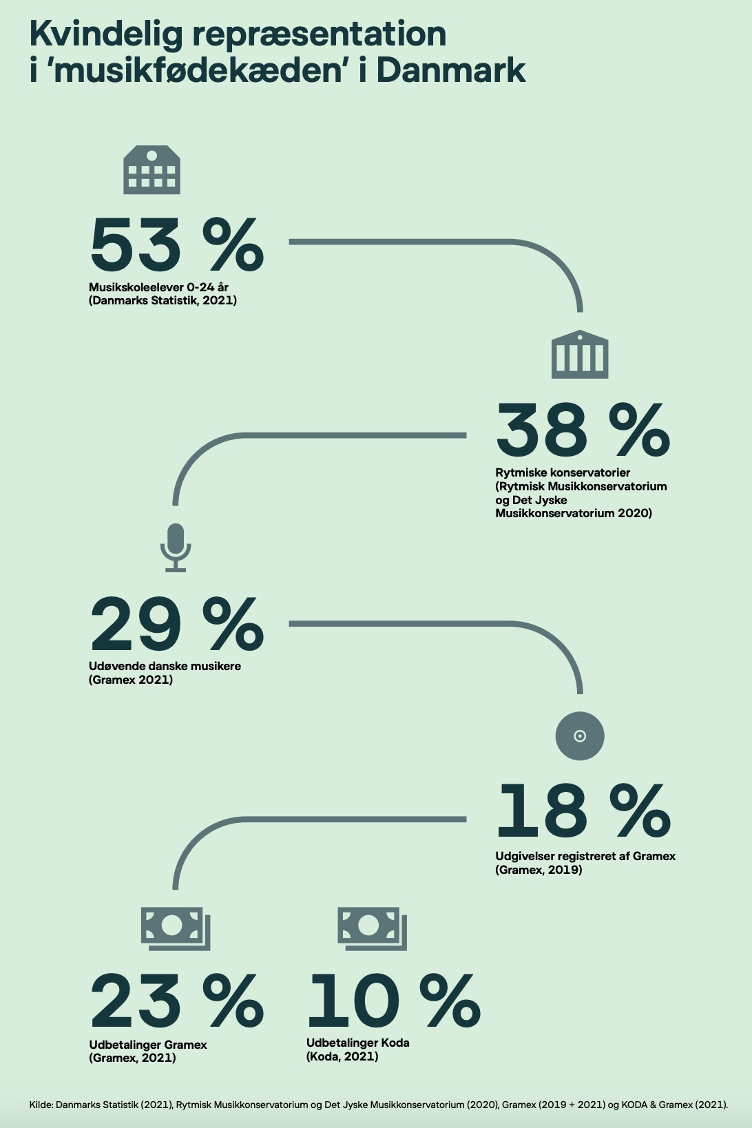
- About the gender gap in the music industry
- About the challenges female artists face
- And finally about what can be done about it
.
.
.
What do Studies Show?
 This presentation is based on nine different studies about women in music – one major study from the USA, four from the UK, one from Germany and three from Denmark.
These studies (links provided at the bottom of this page) and other studies have examined women’s roles in the music industry and have revealed widespread double standards within the music industry and how women often are judged more harshly, both personally and professionally, compared to their male counterparts.
I have no scientific basis to claim that what the foreign studies suggest also applies to the Faroese music industry, but there is a likelihood that at least some of it is relevant in the Faroe Islands as well. This is something the audience can reflect on and philosophize further about.
Here are some of the key challenges women face, as highlighted by these studies:
Cultural and Societal Norms
 In many cultures, traditional gender roles and norms discourage women from pursuing careers in music. This cultural resistance can, more or less, limit their participation and success in the industry.
Women often face additional societal pressures to balance career and family responsibilities, which can limit the time and energy they can devote to their careers.
These societal norms and cultural expectations about gender roles often discourage women from pursuing careers in music – like music production and songwriting, which are traditionally seen as male-dominated fields.
.
.
Gender Biases, Stereotyping and Objectification
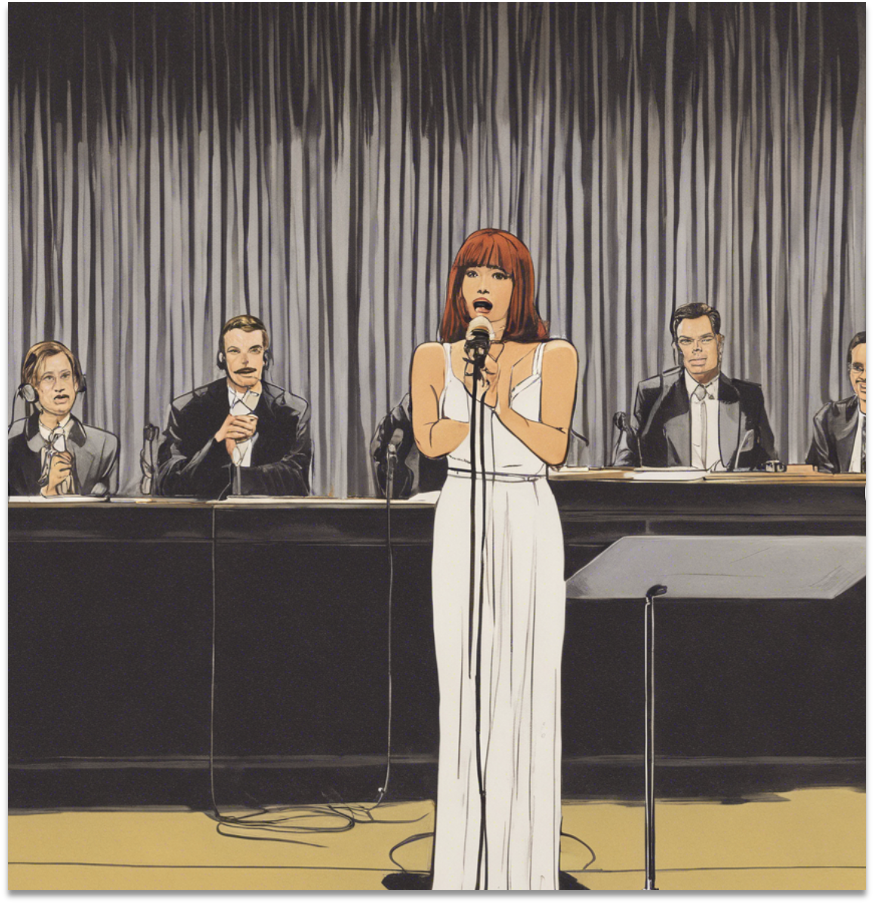
 Women in the music industry often face pressure to conform to sexualized images and personas. This can place undue emphasis on their appearance rather than their talent, which detracts from their artistic contributions and undermines their professional credibility and marketability.
Public perception of women in music is influenced by these gender biases in the industry and in media, which again affects career opportunities of female artists.
.
.
.
.
Differences Between Men‘s and Women‘s Perception
 Societal norms often equate emotional expression with weakness, which is traditionally seen as a feminine trait. As a result, men may fear being judged or ridiculed by peers for listening to music by female artists, as it can be seen as a deviation from traditional “strong” and “stoic” masculine behavior.
Music genres that emphasize aggression, assertiveness, and dominance, such as certain types of rap, rock, and heavy metal, are often more socially acceptable for men to enjoy.
Songs that objectify women or focus on hyper-masculine themes (e.g., wealth, power, and sexual conquest) are often more readily accepted among male listeners, reinforcing traditional gender roles.
The avoidance of female artists by male listeners contributes to reduced exposure and recognition for female musicians, impacting their career opportunities and earnings. Female artists may also be unfairly categorized into niche genres or “female-only” spaces, limiting their reach and audience diversity.
Reduced Exposure and Airplay
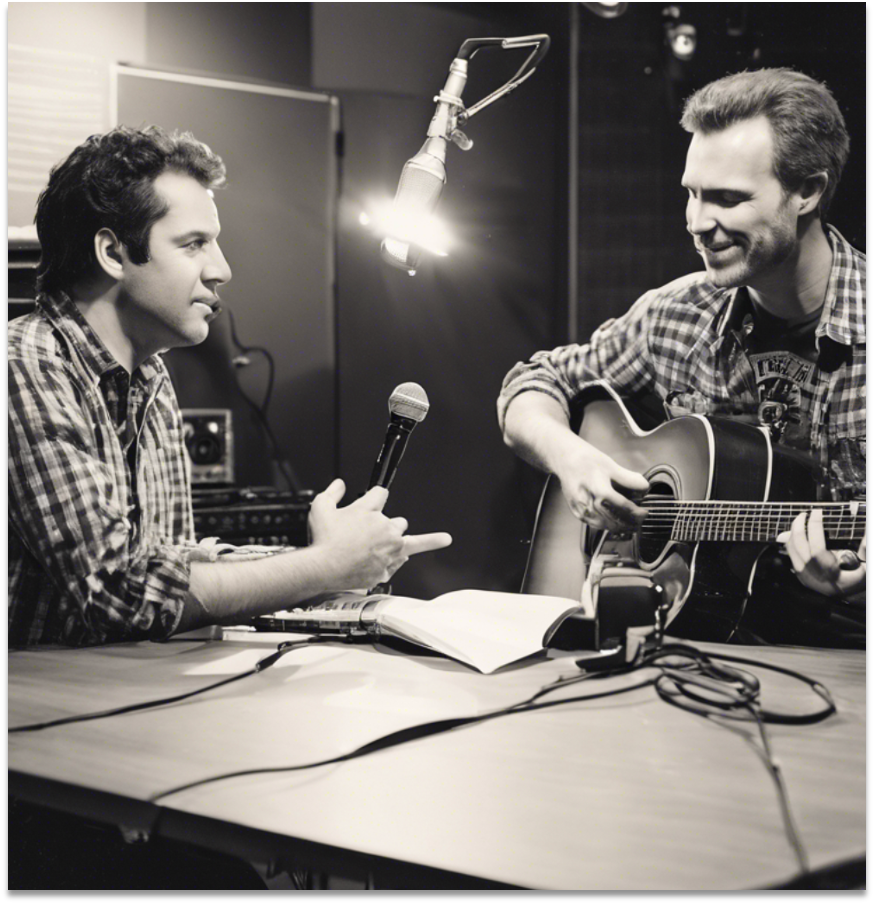 Female artists often receive less airplay on radio stations and are less frequently featured on popular playlists on streaming services. which limits their ability to reach wider audiences and affects their overall popularity.
Media outlets tend to give male artists more opportunities for interviews, features, and reviews, which further diminishes the visibility of female artists.
.
.
.
.
.
Perception of skills
 Women are often perceived as less competent in technical and creative roles, and they are frequently pigeonholed into roles that align with traditional gender stereotypes, such as vocalists or performers, rather than being seen as capable producers or songwriters.
Industry gatekeepers, such as record label executives and talent scouts, may therefore overlook female artists because of their unconscious biases that favor male artists. This can result in less recognition for female artists and in fewer opportunities for them to be signed, promoted, or included in major projects.
.
.
.
Lack of Representation and Role Models
 The underrepresentation of women in prominent positions within the industry and the scarcity of successful female producers and songwriters means fewer role models for aspiring female musicians. This lack of visible success stories can discourage young women from pursuing careers in music.
.
.
.
.
.
.
Barriers in Networking and Industry Connections
 The music industry is often perceived as a more or less closed “boys’ club,” where women don’t feel as at home as men, and where male-dominated networks and informal mentoring arrangements can therefore exclude women from important opportunities and collaborations, making it difficult for women to access the same opportunities and resources that men often have.
Women may have less access to industry resources, such as high-quality studios, equipment, and funding, which are often distributed through these male-dominated networks. This can hinder women’s ability to advance their music careers and gain recognition.
The lack of female mentors in these fields can also make it more challenging for women to receive guidance and support in their career development.
.
.
Recognition and Credit
 Women often struggle to receive proper credit for their contributions. In collaborative projects, their work may be overshadowed by male colleagues or attributed to them. This lack of recognition can impact female artists credibility and career advancement.
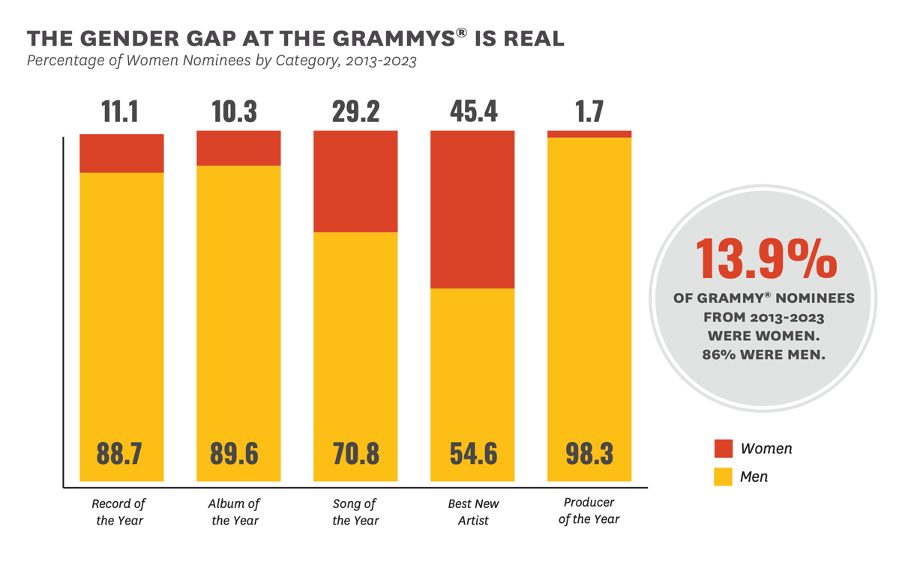
Female songwriters and producers are less likely to be nominated for and win industry awards, which also are important for career recognition and advancement.
Industry honors and accolades, such as being inducted into halls of fame or receiving lifetime achievement awards, are also less frequently bestowed upon female artists.
.
.
Economic Disparities and Barriers
 Women in the music industry often face pay disparities and fewer financial opportunities compared to men. For instance, female artists often receive lower performance fees compared to their male counterparts, even when they have similar levels of popularity and draw similar-sized audiences.
With less exposure and airplay, female artists typically earn lower royalties from their music. This includes earnings from album sales, streaming, and radio play.
Gender bias also affects the types and amounts of sponsorship and endorsement deals female artists can secure. Brands may be less likely to invest in female artists due to perceived lower marketability.
This economic inequality can make it more challenging for women to sustain their careers.
Touring Opportunities
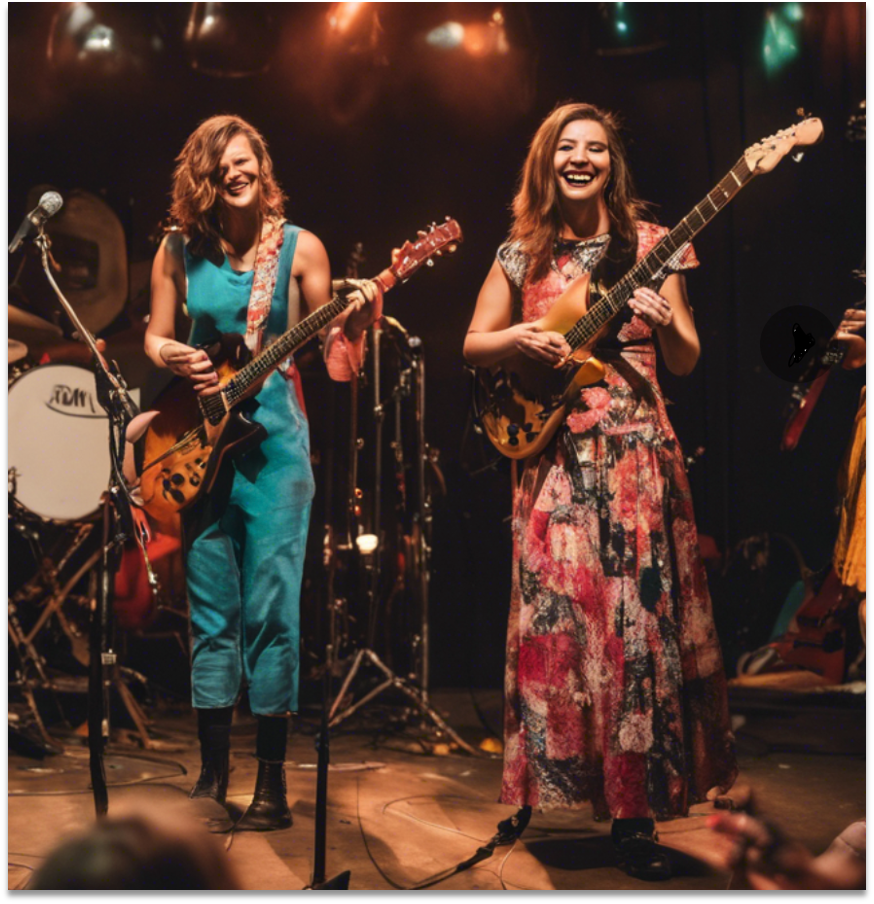 Female artists are less likely to be offered headlining spots on major tours and festivals.
When they do perform, they are often placed in less favorable time slots.
The support and resources provided for touring, such as marketing and production budgets, are often less substantial for female artists compared to male artists.
.
.
.
.
.
Contractual Inequities
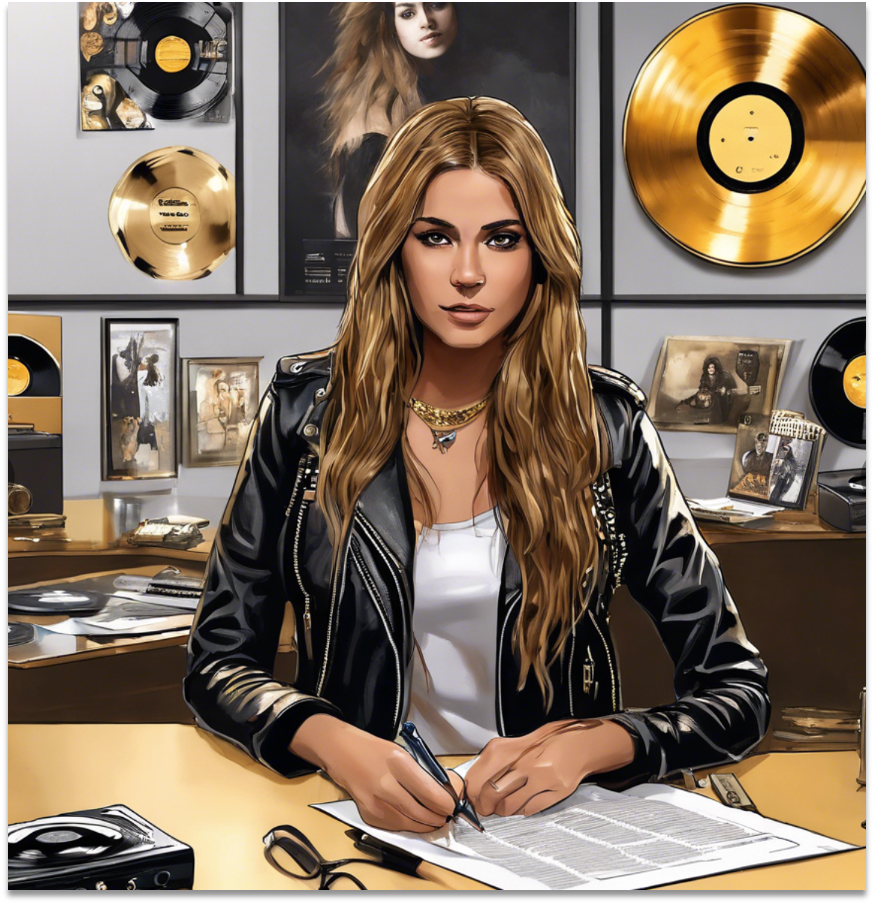 Female artists may face inequities in record deals, including less favorable contract terms and lower advance payments. This can limit their financial stability and creative freedom.
Gender bias can also affect the quality of management and representation female artists receive, impacting their career opportunities and earnings.
.
.
.
.
.
Mental Health and Well-being
 Women in the music industry frequently face harassment and discrimination, which can create a hostile work environment and hinder their career progression, which manifests in various ways, from being overlooked for projects to receiving less pay for the same work as their male counterparts.
The lack of adequate support systems and mentorship opportunities for female artists can exacerbate these challenges, making it harder for them to navigate the industry.
This and the societal stereotypes undermines women’s confidence in their abilities and legitimacy as artists. This can lead to self-doubt and a higher likelihood of abandoning their musical aspirations.
The constant battle against gender bias can take a toll on the mental health and well-being of female artists. Stress, anxiety, and burnout are common issues that can affect their productivity and career longevity.
Steps to Close The Gender Gap
So what should we do about this?
 Here are some suggestions:
.
.
.
.
.
.
.
Advocacy & Awareness Campaigns & Community Engagement
 It is important to form or at least support advocacy groups that focus on gender equality in the music industry, so they can provide resources, mentorship, and support for female artists, as well as better platforms and opportunities for female creators to produce and share their work, to make sure their voices and perspectives are represented.
Initiatives could be taken by these groups to host public discussions, panels, and webinars that focus on gender biases in music. These events can engage the community and foster a more inclusive music culture.
.
.
.
Media Representation & Critical Examination
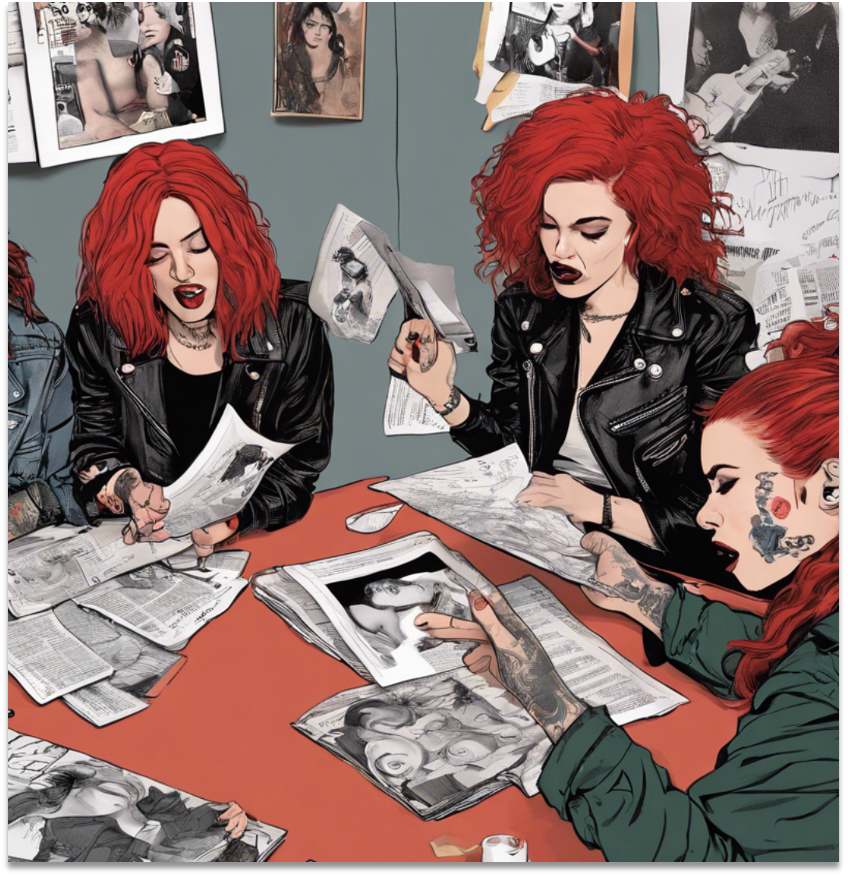 Media outlets should strive to provide more balanced coverage of male and female artists. This includes equal opportunities for interviews, features, and reviews, avoiding stereotypical and objectifying portrayals of female artists. Instead, media should focus more on female artists’ musical talents, achievements, and contributions to the industry, and represent women as complex, multi-dimensional characters with agency and autonomy.
Streaming services and radio stations should create more equitable playlists that feature a balanced mix of male and female artists.
Algorithms can be adjusted to promote gender diversity.
.
.
Industry Reforms
 The music industry must ensure that female artists receive fair compensation for their work, including equitable performance fees, royalties, and contract terms.
The industry can be better at ensuring that female songwriters and producers receive proper recognition and credit for their work.
The industry can develop marketing strategies that promote music by female artists to a diverse audience, breaking down the notion of “girl music” and “guy music.”
The industry should encourage consumers to explore music by female artists and diversify their listening habits. This can be done through curated playlists, recommendations, and social media challenges. And by providing platforms for consumers to give feedback on their music preferences and experiences. This can help identify areas where gender biases may be influencing listening habits.
.
Authorities & Music Organisations
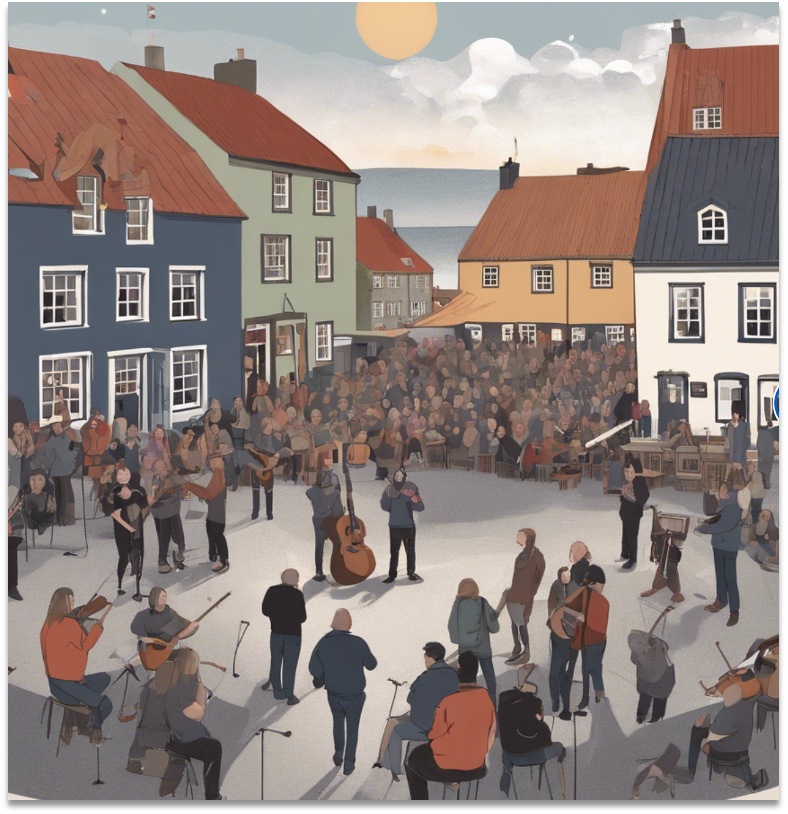 Authorities – that is government and municipalities – should work together with music organisations to provide better opportunities for musicians to present their music for a wider audience by for instance, supporting venues across the country. Furthermore, local initiatives and grassroots movements that promote gender equality in music could be supported. This can include community concerts, festivals, and workshops that feature diverse lineups.
Authorities could help make access better to education and training programs specifically designed to support women in music production and songwriting, and other areas where women are underrepresented, so that women have a chance to catch up with men, who are far ahead of them in these areas.
Authorities should help encourage transparency in reporting gender-related data within the industry. This includes airplay statistics, streaming numbers, and financial earnings.
.
Research and Data Collection
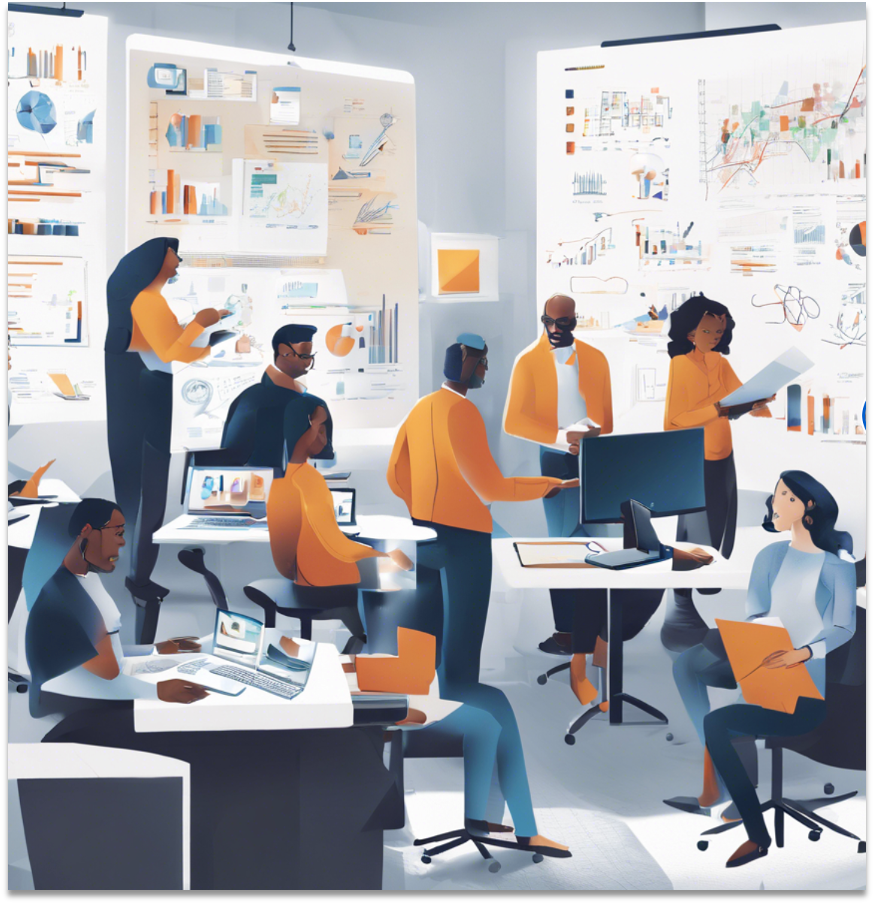 Universities could do more to conduct research to understand the extent of the gender gap, including the gender listening gap, and its impact on the music industry.
These data can be used to inform policies and initiatives aimed at promoting gender equality.
Gender studies and discussions about gender biases in music should also be incorporated into educational curricula at all levels. This can help students understand the historical and social contexts that contribute to these biases, which often becomes an obstacle for women who dream of a music career.
.
.
.
Finally…
 By taking these steps, we can work towards a more equitable and realistic representation of women, fostering a culture that values diversity and inclusivity, where women have the opportunity to succeed and be recognized for their contributions as songwriters and producers just as much as men, so we can work towards closing the gender gap.
.
.
.
.
.
.
Thank you for listening!
© Elin Brimheim Heinesen
.
.
.
.
.
.
.
.
Sources
This Presentation is Based on These Studies
UK Study: Musicians’ Census Women Musicians Insight Report – March 2024
UK Study: Counting the Music Industry: The Gender Gap – October 2029
UK Study: Women and Equalities Committee Misogyny in music Second Report of Session 2023–24
German Study: On Gender Diversity in the Music Industry and in Music Usage – Keychange 2021
Danish Study: Kvinderne i musikken – 2022
Danish Study: Hvorfor er der så få kvinder i musikken? En undersøgelse af køns betydning for udøvende og skabende musikere Marts 2022
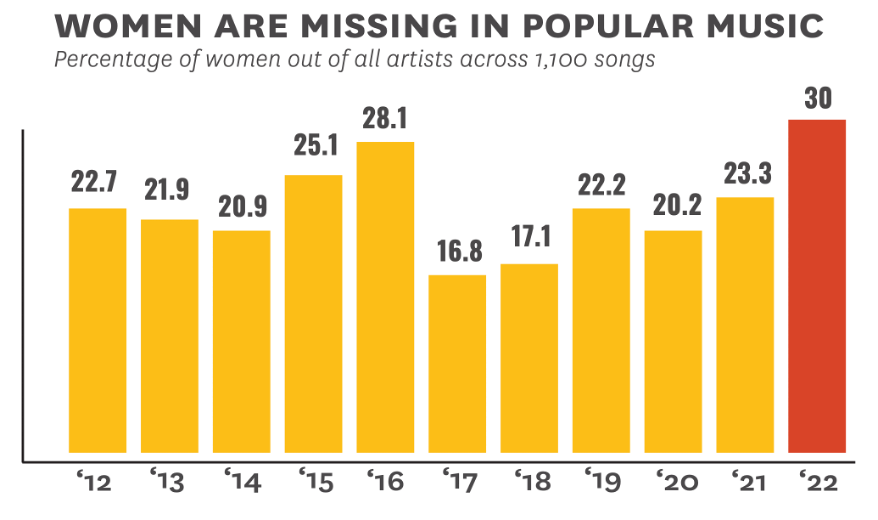
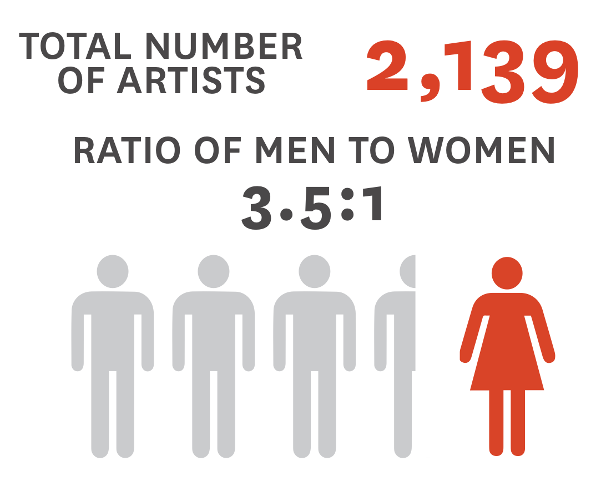
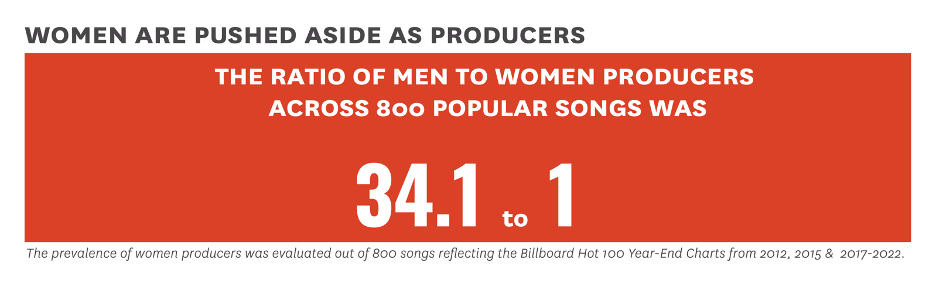
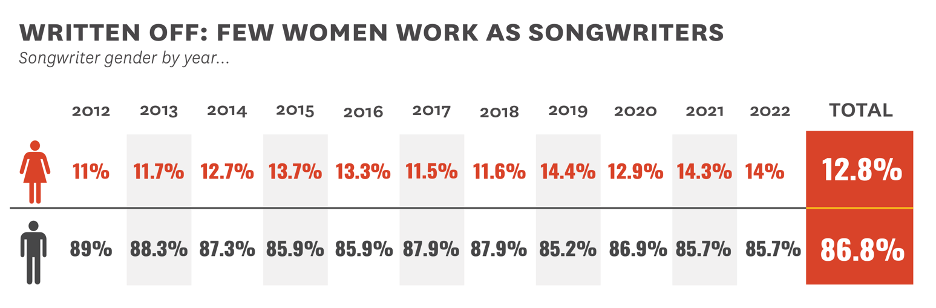
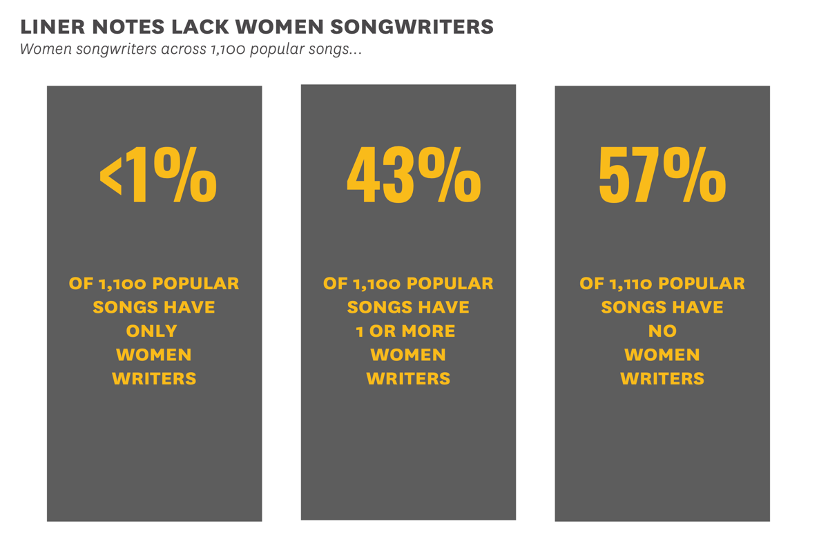
Some Interesting Figures from the US Studies:

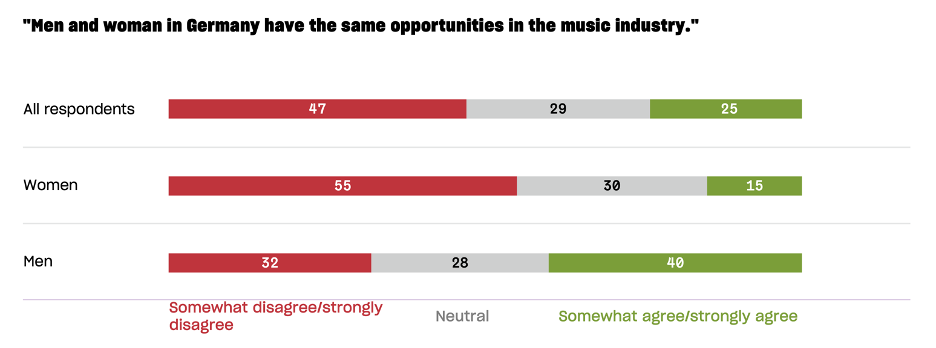
Interesting Figures from a German Study
Interesting Figures from a Danish Study